
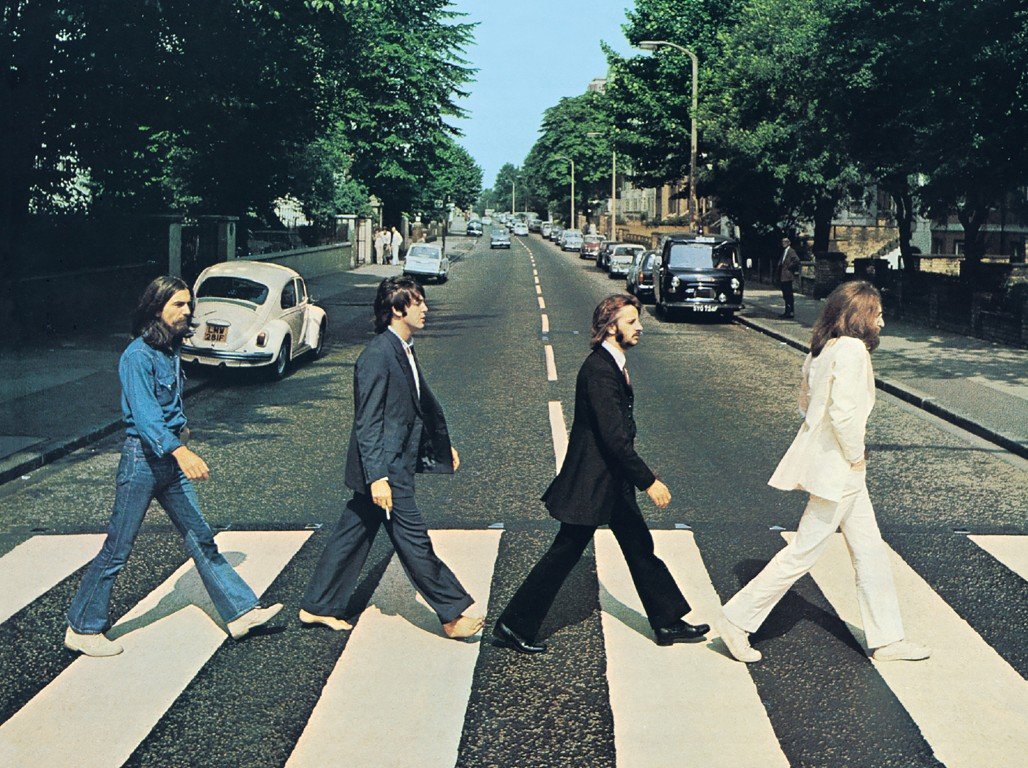
Recently, I attended a public meeting for a neighborhood traffic calming project. The purpose of the meeting was to present proposed traffic calming measures, discuss speeding concerns, and receive feedback from residents. Like many public meetings, the discussion quickly expanded beyond the original scope. One resident raised concerns about pedestrian crossing and requested a crosswalk, which led to a discussion that one might find even more interesting than the crosswalk itself.
Whether the request was right or wrong is not the focus, but what stood out to me was how different people approached the same problem from completely different perspectives.
A Crosswalk Is Not a General Safety Guarantee
To many residents, a crosswalk represents safety. It feels like a designated place where pedestrians are protected and vehicles are expected to stop. In Georgia, drivers are generally required to yield to pedestrians within a marked crosswalk, so the marking carries both legal and psychological meaning.
From an engineering perspective, however, a crosswalk is not simply a safety feature that can be placed anywhere concern exists. It is a treatment that is generally intended to support pedestrian connectivity and crossing activity within a broader pedestrian network.
That distinction matters.
The meeting itself was primarily about traffic calming. The focus was on speeding behavior, roadway character, and measures intended to reduce operating speeds. A crosswalk addresses a different type of problem. It addresses pedestrian accommodation and crossing continuity.
Those subjects can overlap (e.g. in a raised crosswalk which is a marriage of crosswalk and speed table), but they are not automatically the same thing.
The Sidewalk Question Changed the Discussion
During the discussion, one question became important: where exactly are pedestrians walking to and from?
If sidewalks exist on both sides of the street, a marked crossing can help connect an existing pedestrian system. The crossing becomes part of a continuous path. But if sidewalks do not exist, the issue becomes more complicated. Pedestrians may already be walking within the roadway edge or shoulder area. In that situation, adding a marked crossing alone may not materially improve the pedestrian environment because the larger connectivity issue still remains unresolved.
That does not mean a crosswalk should never be installed without sidewalks. It means the treatment should be evaluated within the context of the surrounding roadway environment, pedestrian demand, visibility, speeds, traffic volumes, and walkable network continuity.
Why Guidelines Matter
One of the more important realizations from the discussion was that transportation treatments are not installed purely based on requests or good intentions. They are evaluated using engineering guidance, research, standards, and professional judgment.
Crosswalk placement guidance considers factors such as sight distance, roadway width, traffic speed, traffic volume, pedestrian activity, spacing to nearby crossings, lighting conditions, and driver expectancy. National guidance such as the MUTCD exists because improperly placed or unsupported treatments can sometimes create unintended outcomes.
For example, a marked crossing at a location with poor visibility, high speeds, or weak pedestrian connectivity may create a perception of safety that is not fully supported by actual roadway conditions. Drivers may not expect pedestrians there. Pedestrians may assume vehicles will stop more consistently than they actually do.
That is one reason transportation engineering often involves restraint as much as action.
The Human Side of Public Meetings
The most valuable part of the meeting was seeing how public concerns are expressed in practical, non-technical language. Residents usually describe what they experience, not the technical category of the problem. Someone may request a crosswalk when the deeper issue is speeding. Another person may request a stop sign when the concern is cut-through traffic or perceived high speeds. Someone may ask for a signal when the issue is difficulty finding acceptable gaps for a turning movement.
Part of the engineer’s role is translating concerns into clearly defined transportation problems before discussing solutions. That process is not about dismissing residents. It is about refining the conversation so the proposed treatment actually matches the underlying need.
Conclusion
The meeting was a reminder that transportation engineering is not only technical analysis. It is also communication, interpretation, and clarification. The public often sees transportation treatments as symbols of safety, fairness, or attention. Engineers have to evaluate whether those treatments function the way people believe they do.
Sometimes the discussion starts with a crosswalk request, but the real conversation is about connectivity, speeding, comfort, expectation, and how people experience a street as part of daily life.
And sometimes, the most useful outcome of a public meeting is not the answer itself, but learning how differently the same roadway can be understood depending on who is looking at it.
Leave a Reply