
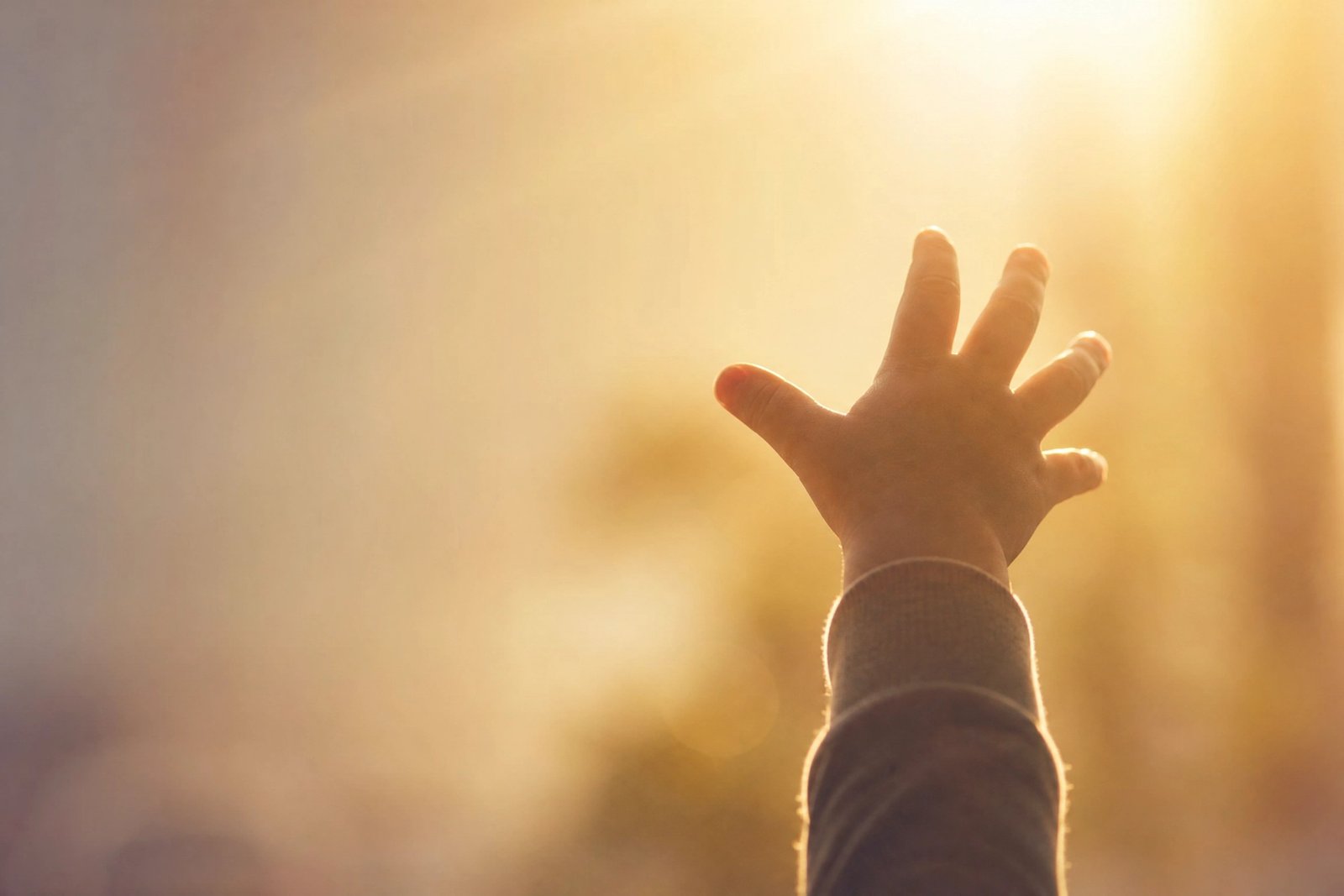
There is something about being around children that quietly shifts perspective. It is not obvious at first and it is not something you can force, but it becomes clear the moment you pay attention, because they are present in a way that feels different from how most adults move through the day. They are fully in the moment, and most of them are happy by default unless something specific has happened to them, and sometimes that “something” looks small to us but is very real to them, like a friend not sitting with them at lunch or a teacher misunderstanding what they said.
Their baseline is optimism, energy, curiosity, and movement. You can see it. In how they look up, how they smile, how they react, and how naturally they engage with what is around them. This is not to say every child is always like this, but in general there is a pattern there, and nothing about it feels forced or calculated, it is simply how they exist.
When they interact with each other, talk, laugh, and get excited about things, it is easy for us as adults to label those things as trivial, but they are not trivial to them. They are real and meaningful in that moment, and they find things fun and interesting in a way that feels unfiltered. That state does not disappear suddenly but fades gradually over time as we grow older, almost without us noticing it, and that slow shift is what makes it harder to see.
Being around that environment feels like a reminder to me, not in a dramatic sense, but in a quiet and persistent way, that there is more to life than what we, as so-called grown-ups, gradually reduce it to over time. We begin to prioritize responsibilities and structure and outcomes, and somewhere along the way, without really noticing when it happened, something changes in how we respond to the world around us.
You ever noticed how children respond in a classroom. When a question is asked, more than half of them raise their hands almost immediately, not necessarily because they know the answer but because they want to engage and be part of what is happening. There is a natural willingness to participate, to try, and to step into the moment without overthinking it. You see this most clearly in elementary school, where that instinct is almost everywhere, then it starts to fade in middle school, becomes a lot less common in high school, and by the time you get to college classrooms, it “almost” disappears.
As time passes, that behavior starts to shift. Slowly and almost quietly we begin to hesitate and second-guess, and to hold back unless we are certain. Cultural norms and expectations start to shape that behavior, pressing on it, trimming it down, and quietly eating away at that natural instinct to engage, so what once felt open and immediate becomes filtered and cautious.
That transition is subtle, but it carries weight. Noticing it creates a pull to hold on to some part of that earlier state, not in a naive way, but in a deliberate one, to remain a little more willing to engage, to respond, and to not filter everything through doubt or expectation. That filtering happens unconsciously over time, but with some awareness, it can be pushed back, at least to a degree, if one is willing to be mindful about it. There is something valuable in that raw interaction with the world that is easy to lose if you are not paying attention.
Even brief exposure to that environment brings that perspective back, just enough to recognize it, and remember that it is still there. And in that sense, the experience itself carries its own value, even if nothing else comes out of it. Over time, it becomes clear that this is not something we lose, but something we slowly learn to suppress, layer by layer, until it no longer feels natural to act on it. And maybe the real work is not finding it again, but simply allowing it back.
Leave a Reply